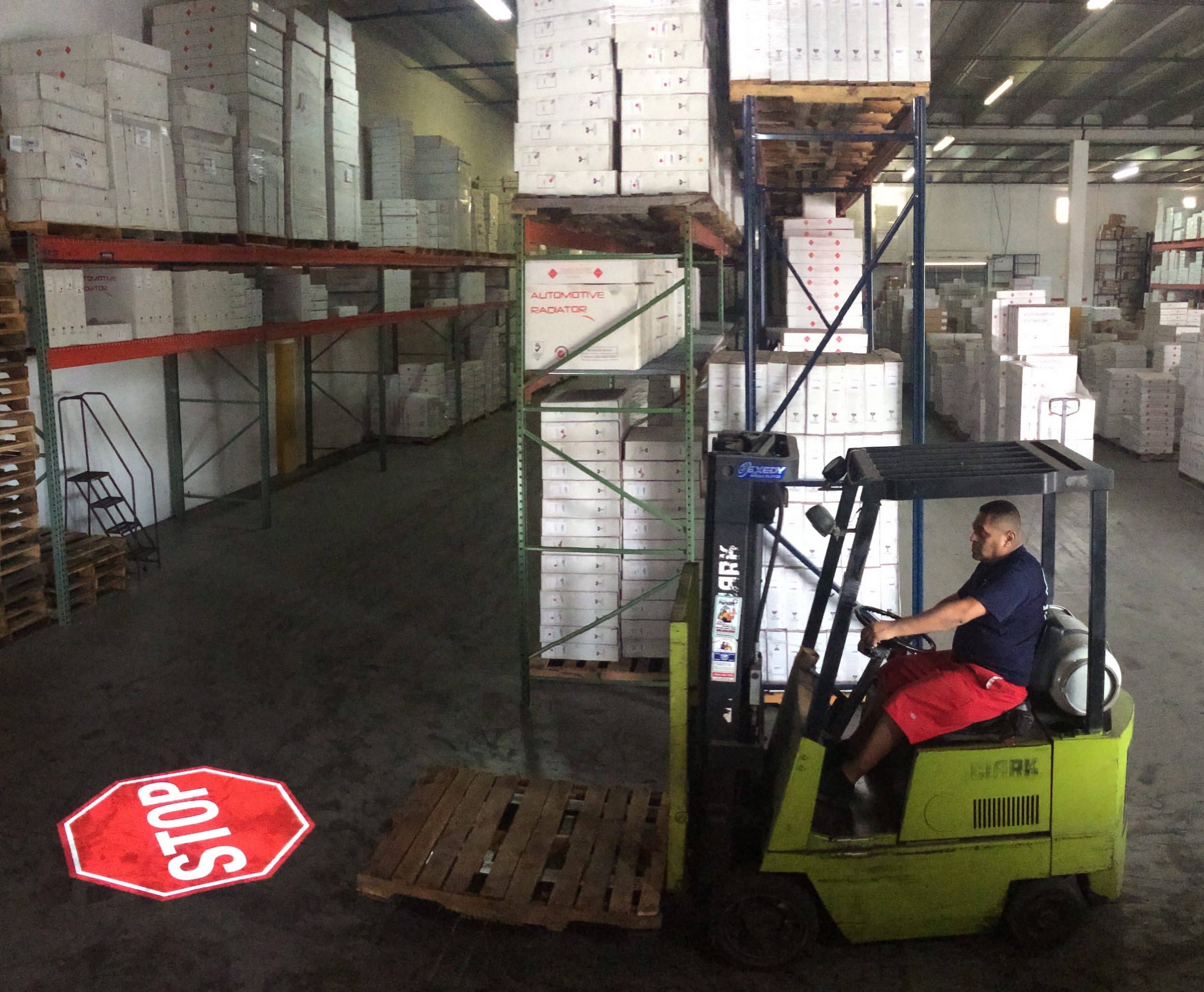
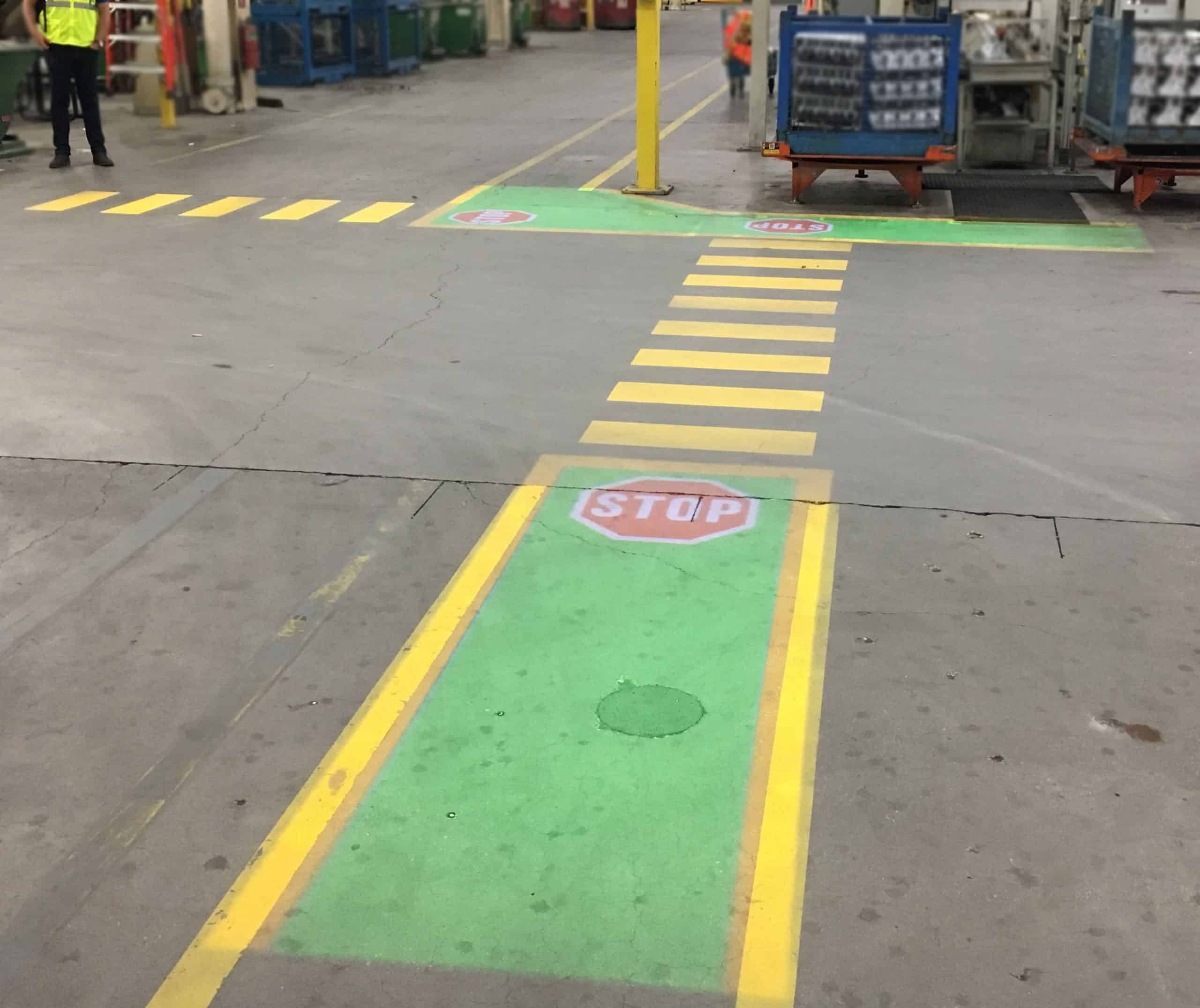
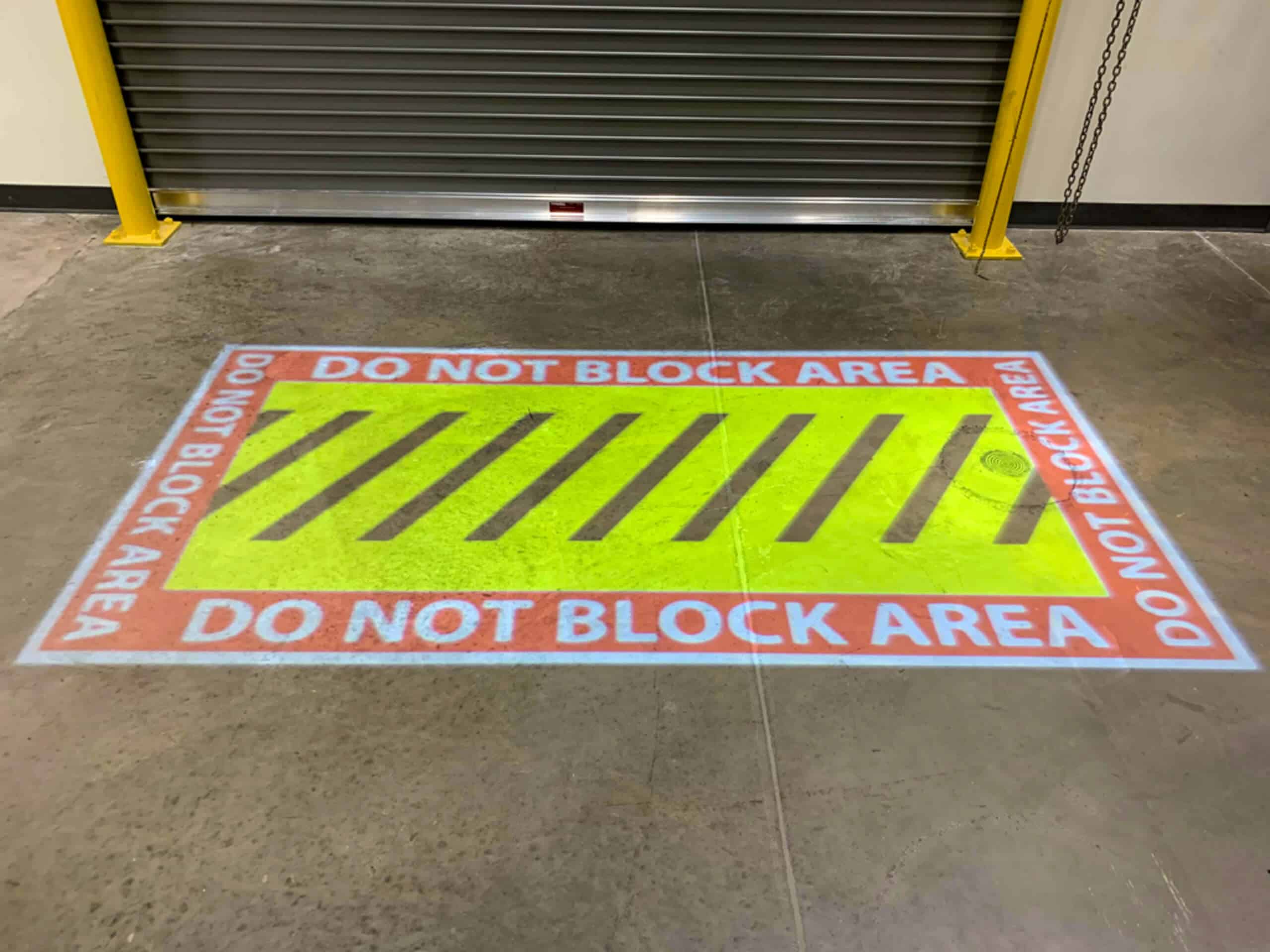
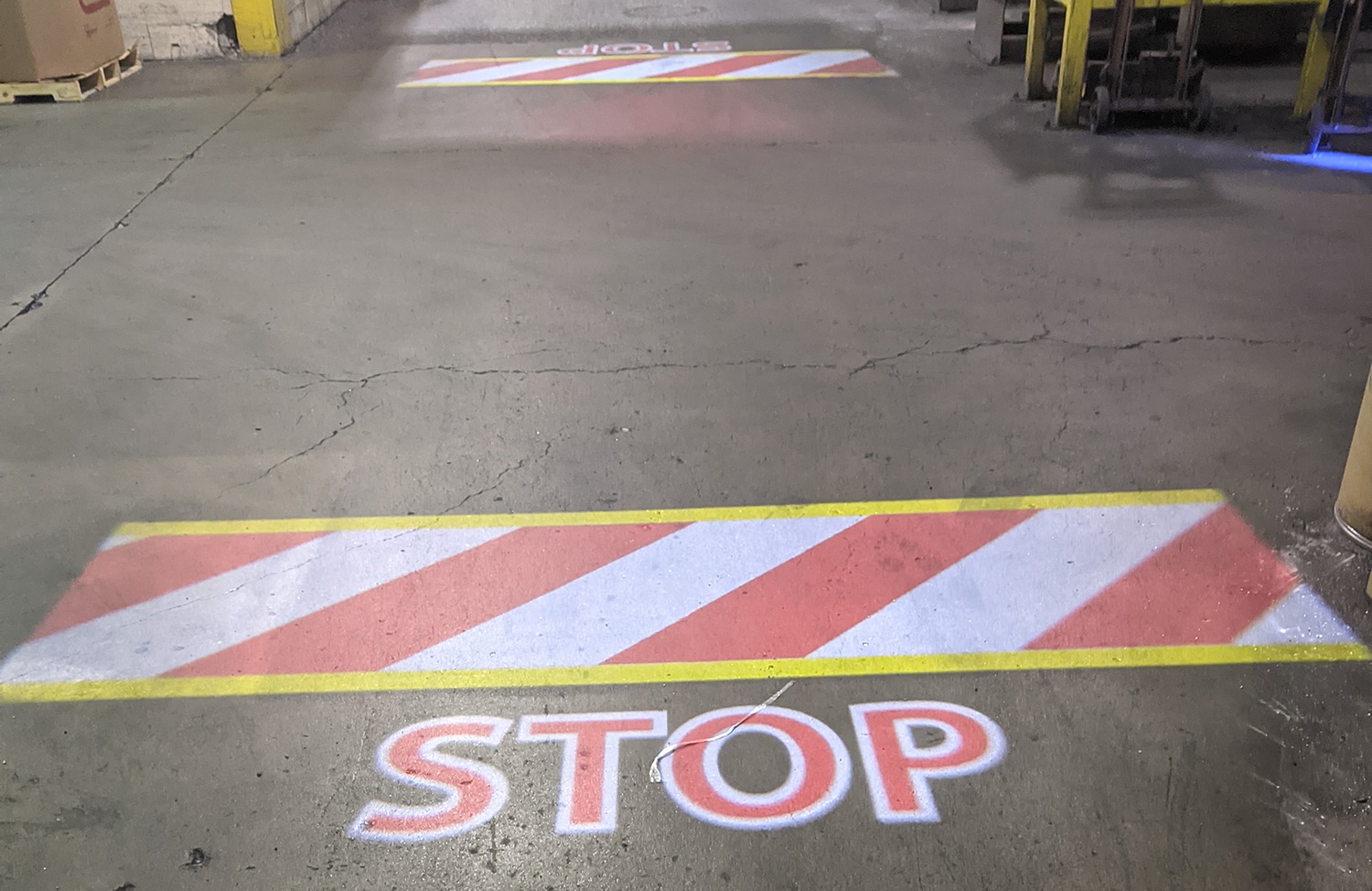
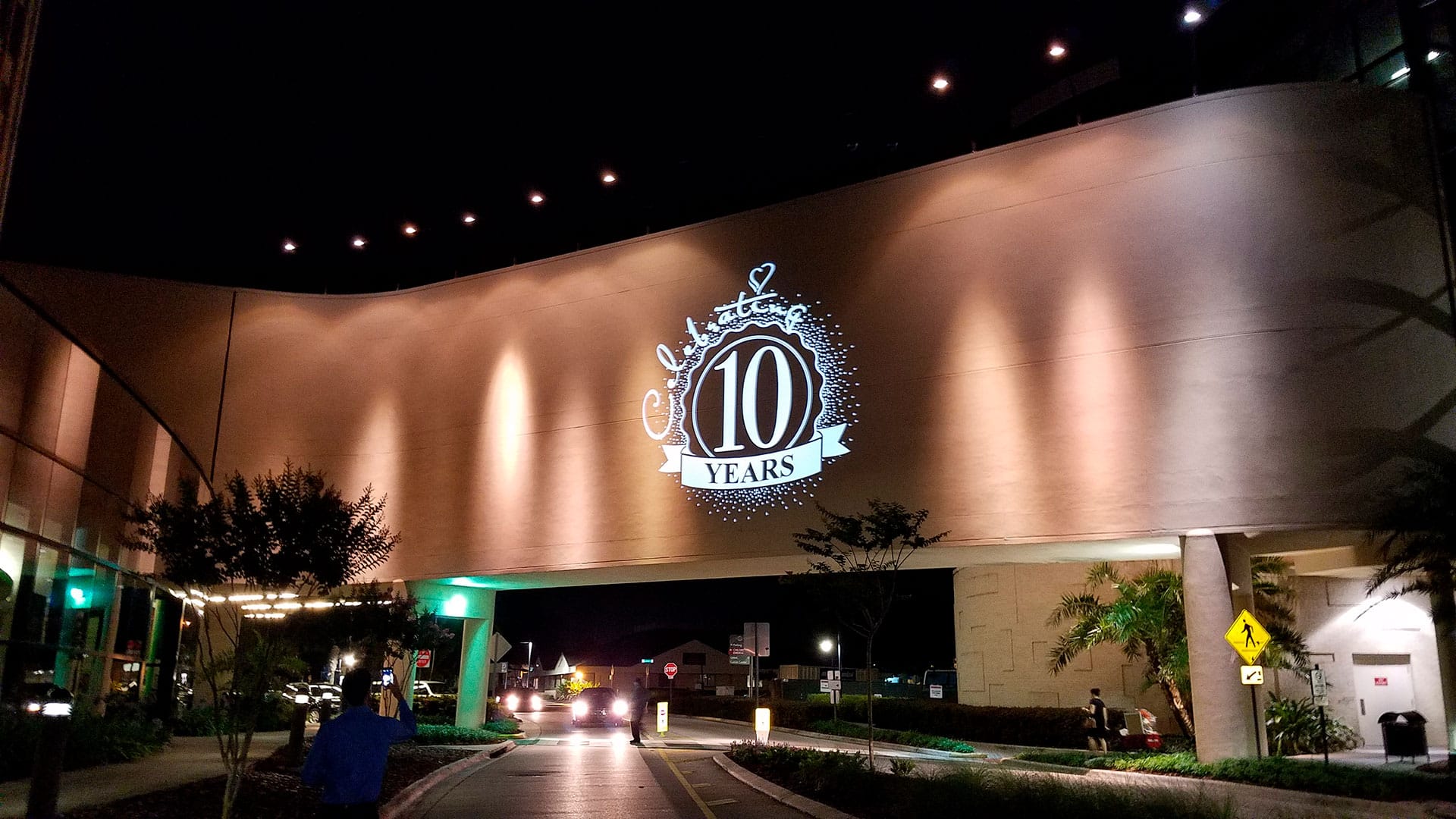
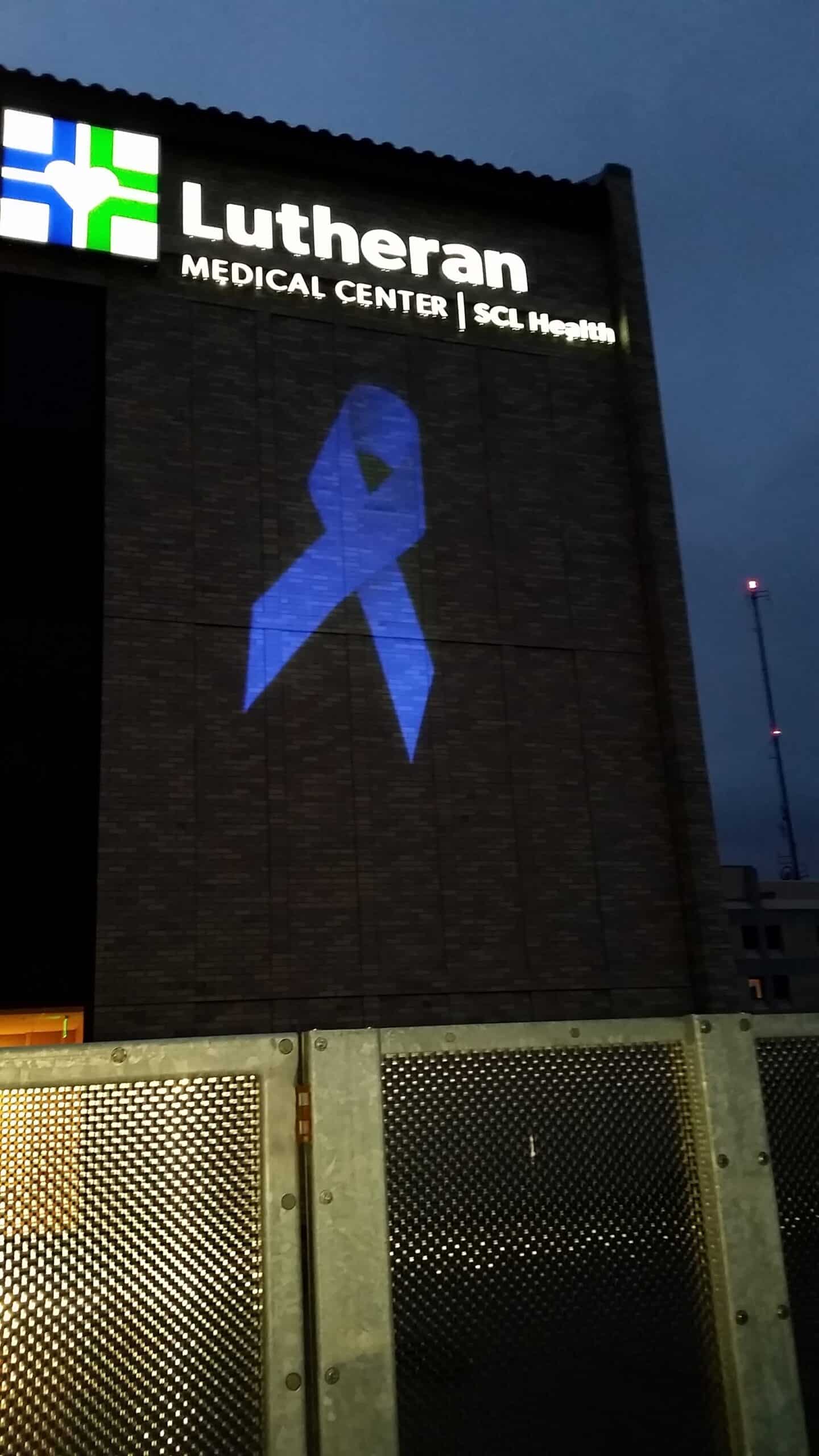
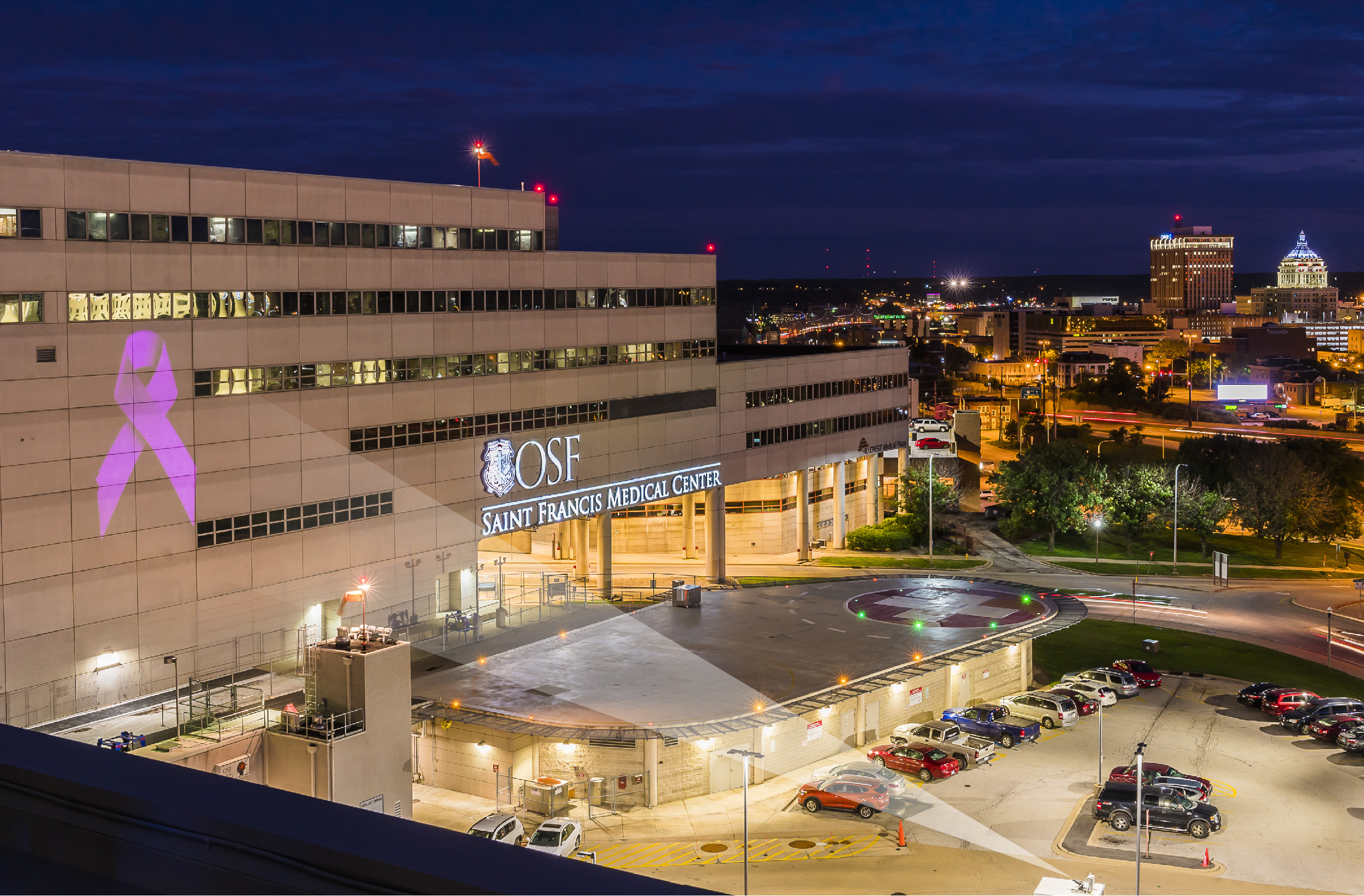
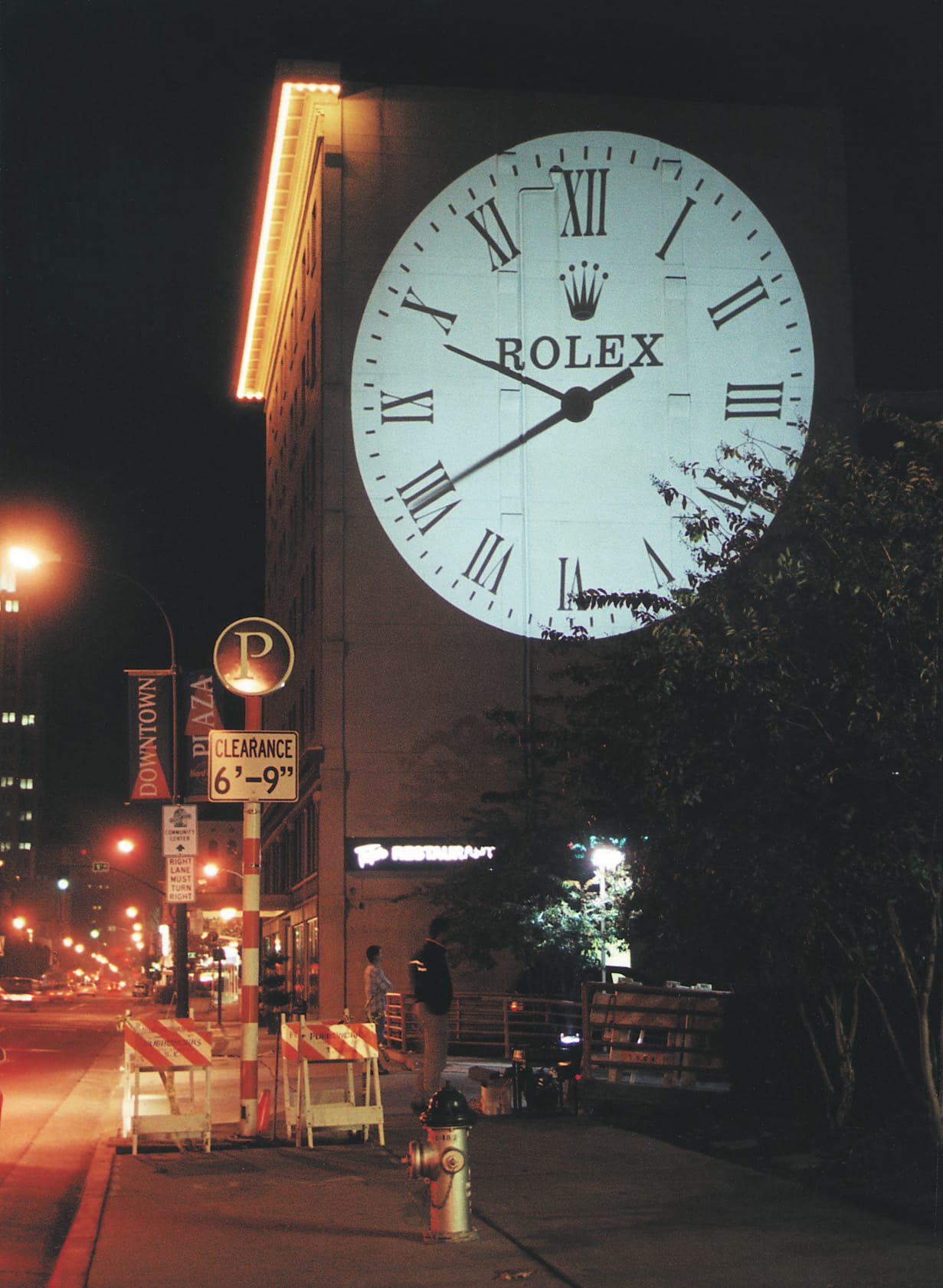
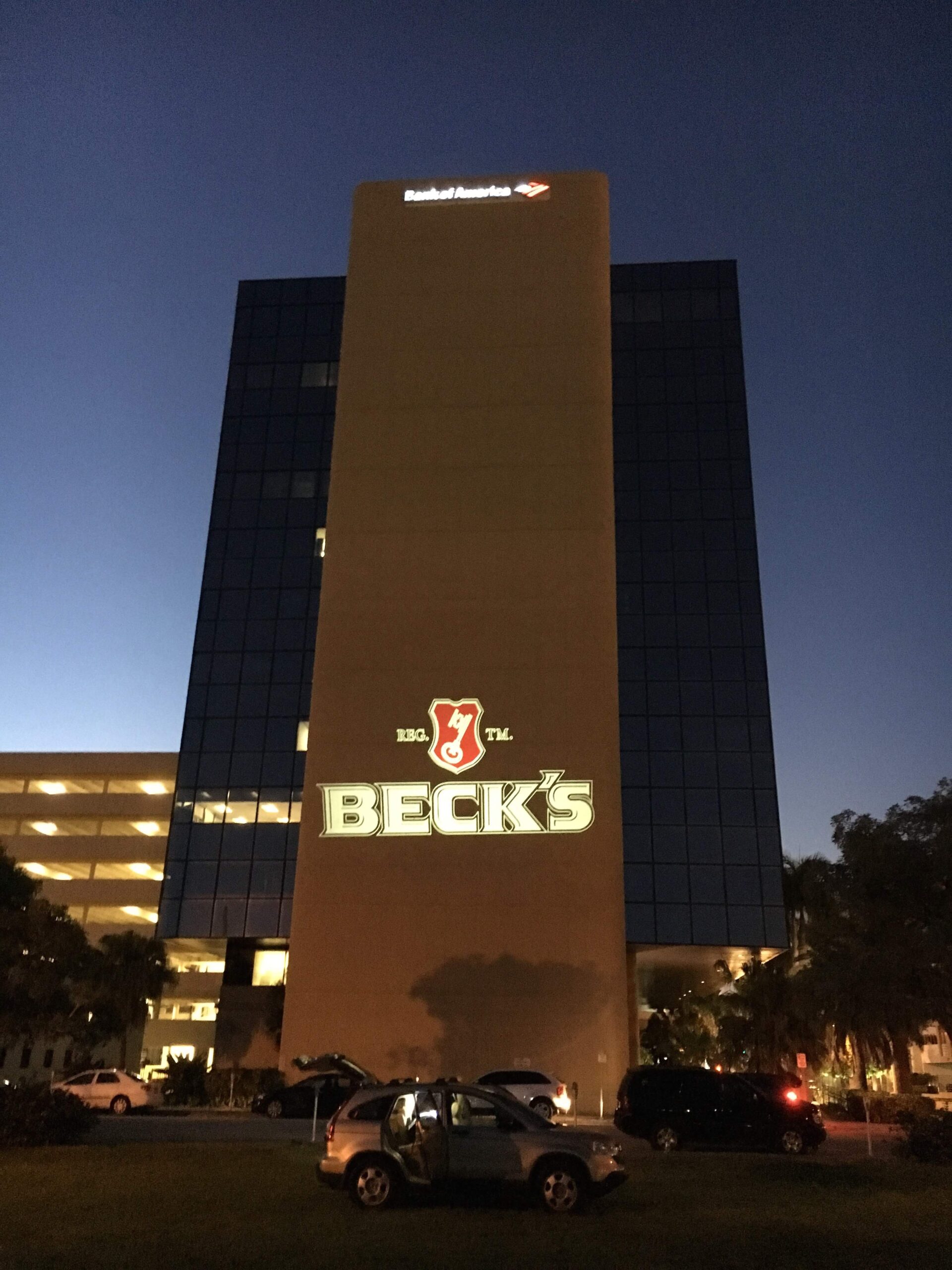
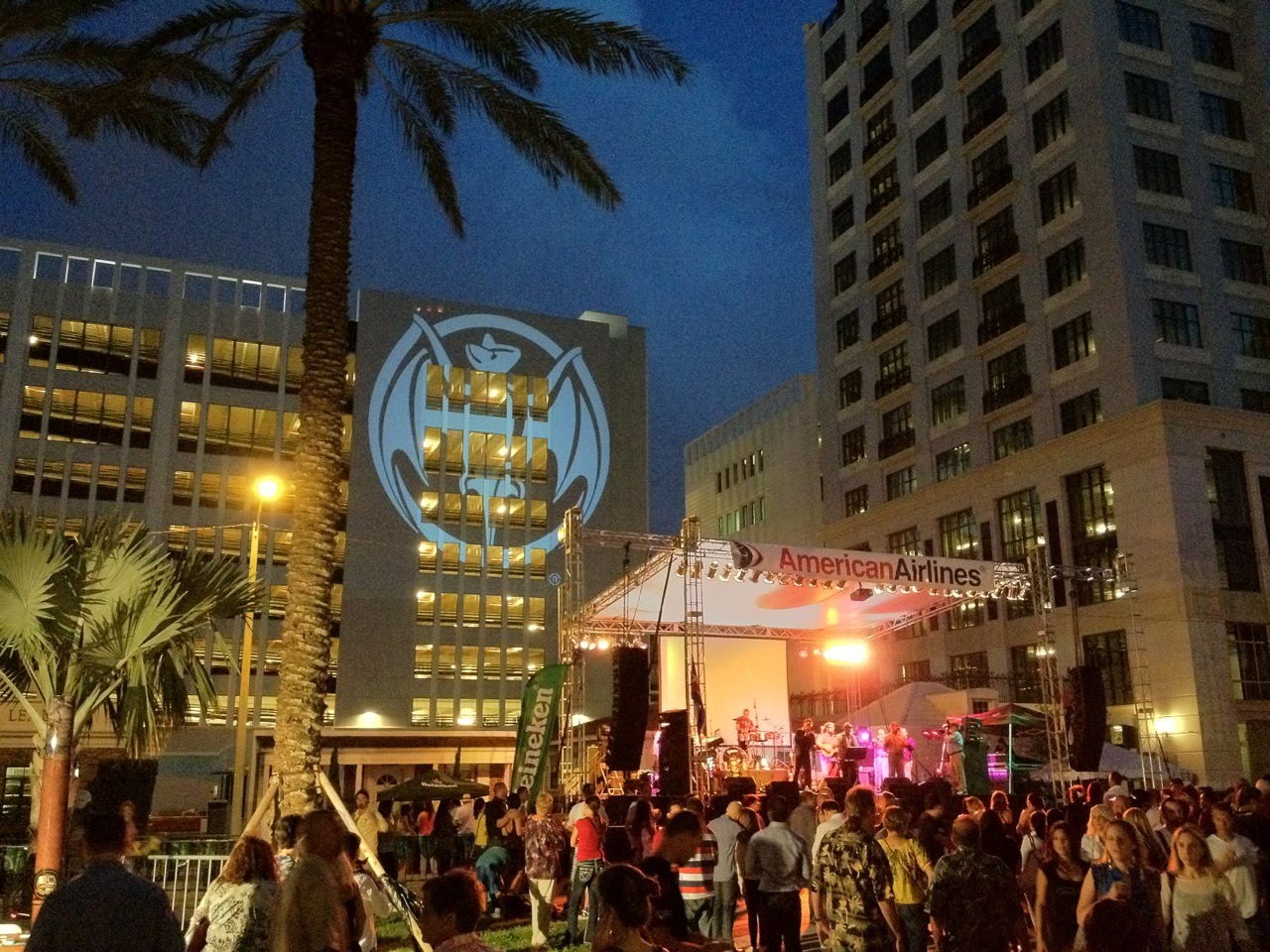
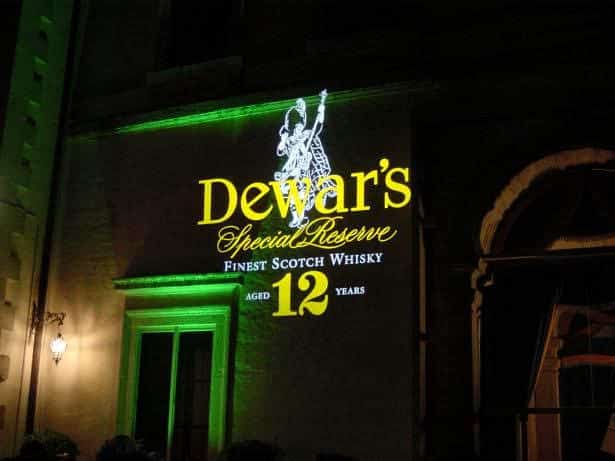
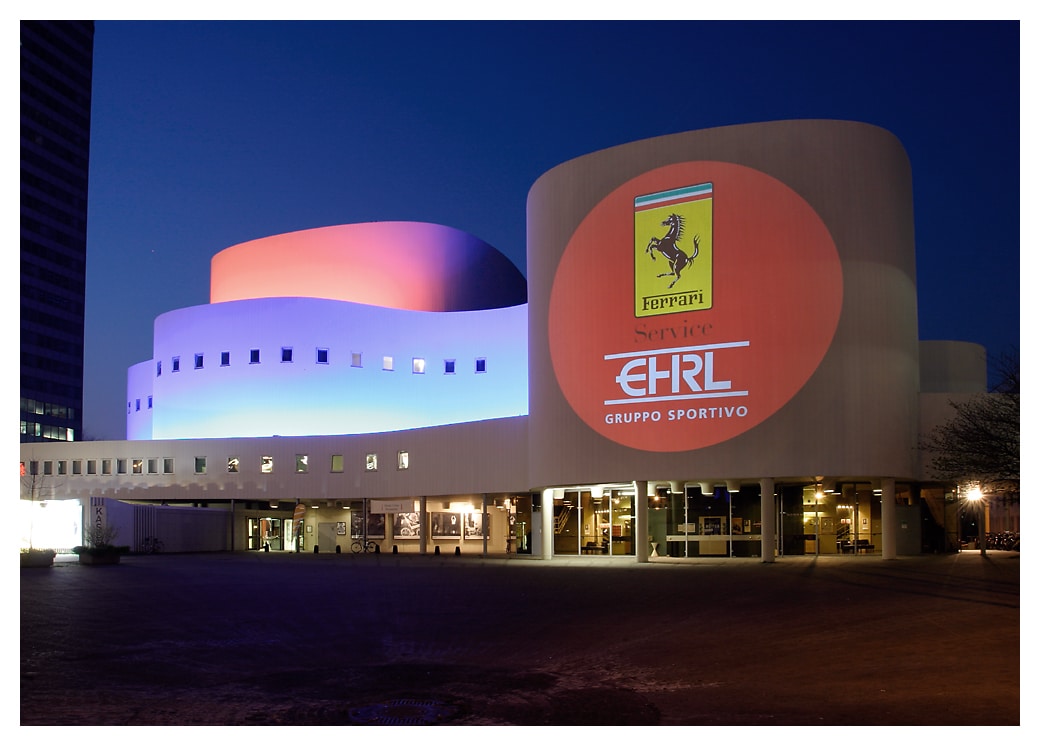
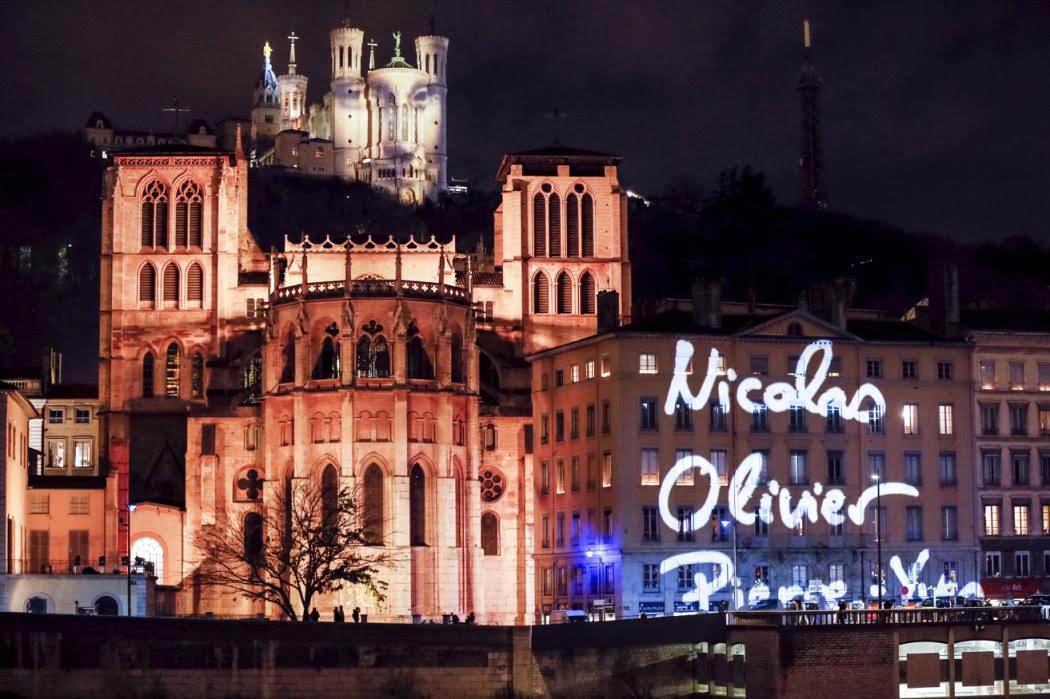
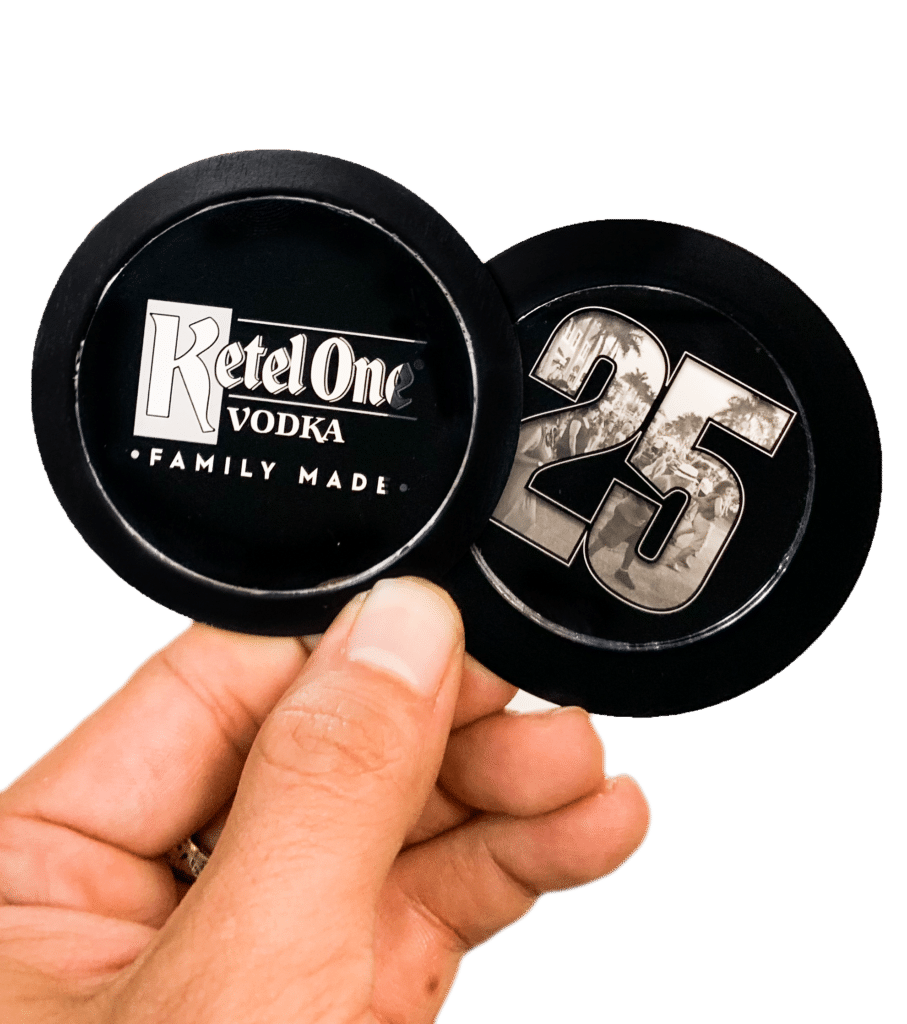
Glass gobos can include colored areas (much like stained glass windows),
made of multiple layers of dichroic glass, one for each color glued on an
aluminium or chrome coated black and white gobo. New technologies make it
possible to turn a color photo into a glass gobo.
In low budget theater, discarded soda cans or pie plates can be used and
patterns cut out with any cutting tool. The latest commercial technology
enables finely dithered patterns which give the illusion of shading. In the
UK, printer's Lithoplate was widely used as an inexpensive gobo substitute.
However, these gobos tend to wear quickly due to the heat produced by a
stage lighting instrument and are not viable for most venues.
Plastic gobos—which are generally custom made—are available when a pattern
is needed in color and glass does not suffice. However, these thin plastic
films generally need to be used with special cooling elements to prevent

melting them. A lapse in the cooling apparatus, even for just a few seconds,
can cause an expensive gobo to be ruined.
A number of simple and complex stock patterns are manufactured and sold by
various theatrical and photographic supply companies, or custom gobos from
customer-created images can be manufactured for an additional fee. Generally
the lighting designer chooses a pattern from a catalogue or small swatch
book provided by the manufacturer. Because of the large number of gobos
available, they are generally referred to by number, not name. For example,
most manufacturers offer a gobo of a window, but they are all slightly
different. So instead of calling it window, it would be identified as gobo
The derivation "Goes Before Optics" is from motion picture production, where
gobo is an antiquated term for a what is now called a "flag". Flags are
manufactured in a variety of sizes and shapes, are most commonly made of
opaque black fabric stretched over a steel frame, but flags can also be made
of sheet steel or wood for specialised use. Flags are placed in the beam of
a light source in order to create shadows.
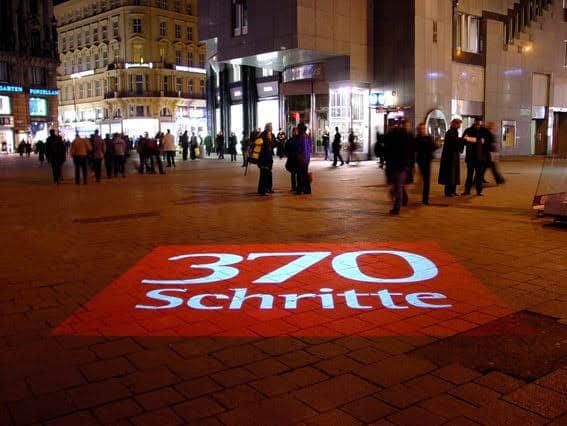
A Gobo being projected with beams of smokeThe support system used to
position and hold these flags in the light beam has, as its core component a
fully rotatable, adjustable clamp called a gobo head. [2] Gobo heads are
mounted at the top of C-Stands and on the ends of 30" long aluminum bars,
called Gobo arms or Grip arms.
Gobos are known as "Bogos" in some circles.